
Can You Get Altitude Sickness On An Everest Helicopter Tour?
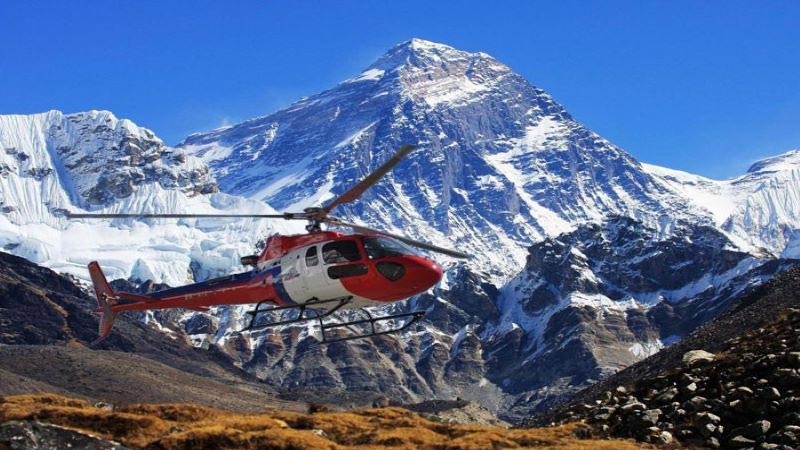
An Everest helicopter tour is one of the fastest and most breathtaking ways to experience the world's highest mountain. Within just a few hours, you can fly over lush valleys, rugged Himalayan landscapes, towering glaciers, and snow-covered peaks before returning to Kathmandu on the same day. For many travelers who dream of seeing Mount Everest but don't have the time or physical ability to complete the Everest Base Camp Trek, a helicopter tour offers an unforgettable alternative.
However, one question concerns almost every traveler before booking: Can you get altitude sickness on an Everest helicopter tour?
The short answer is yes, altitude sickness is possible because the tour reaches elevations well above 3,000 meters, where oxygen levels are significantly lower than at sea level. However, compared to trekking, the risk is much lower because helicopter tours are carefully designed to minimize the amount of time spent at high altitude. Instead of spending several days ascending gradually and sleeping at increasing elevations, helicopter passengers spend only a short period at high-altitude locations before descending again.
Modern Everest helicopter tours also follow strict safety procedures. Professional mountain pilots monitor weather conditions and passenger safety throughout the journey, while most helicopters carry supplemental oxygen for emergency use. Landing durations at high elevations are intentionally kept brief to reduce the likelihood of altitude-related discomfort.
Whether you're traveling with family, planning a once-in-a-lifetime Himalayan adventure, or simply wondering if this experience is suitable for you, understanding how altitude affects the body can help you travel with confidence.
In this guide, you'll learn what altitude sickness is, why it happens, how Everest helicopter tours are planned to reduce the risk, what symptoms to watch for, and practical tips to ensure you have a safe and enjoyable journey to the roof of the world.
Quick Answer: Can You Get Altitude Sickness on an Everest Helicopter Tour?
Yes, it is possible to experience altitude sickness on an Everest helicopter tour, but for most travelers, the risk is relatively low.
Altitude sickness can affect anyone who ascends rapidly to high elevations, regardless of age or physical fitness. Since an Everest helicopter tour reaches altitudes above 3,500 meters (11,500 feet) and may fly as high as Kala Patthar (5,545 meters) or over Everest Base Camp (5,364 meters), your body is briefly exposed to thinner air with lower oxygen levels.
Fortunately, helicopter tours are specifically designed to reduce this risk. Unlike trekkers who spend many days climbing higher and sleeping at altitude, helicopter passengers remain at high elevations for only a limited time before descending. Many itineraries include a short landing at the Hotel Everest View for breakfast or sightseeing, while stops at even higher elevations are usually limited to just a few minutes.
As a result, the majority of travelers complete an Everest helicopter tour without experiencing significant symptoms. Those who do notice mild discomfort often report temporary headaches, light dizziness, or shortness of breath, which typically improve quickly after descending to lower altitudes.
If you have pre-existing heart or lung conditions, a history of severe altitude sickness, or any medical concerns, it's always advisable to consult your doctor before traveling.
Understanding Altitude Sickness
Altitude sickness, also known as Acute Mountain Sickness (AMS), is a condition that can occur when your body doesn't have enough time to adjust to lower oxygen levels at higher elevations.
As you climb higher into the mountains, the air becomes thinner. Although the percentage of oxygen in the atmosphere remains approximately the same, the air pressure decreases with altitude. This means that every breath contains fewer oxygen molecules, making it more difficult for your body to supply oxygen to your muscles, brain, and other organs.
For most people, the body gradually adapts through a process called acclimatization. During this time, breathing becomes more efficient, and the body produces additional red blood cells to improve oxygen delivery. However, when you ascend rapidly, as you do during an Everest helicopter tour, your body has little opportunity to acclimatize before reaching high elevations.
The good news is that helicopter tours significantly limit the time spent at altitude, which greatly reduces the chances of developing serious altitude illness. Even so, it's important to understand the condition and recognize its symptoms so you can enjoy your journey safely.
Common Symptoms of Mild Altitude Sickness
Some travelers may experience mild symptoms, including:
- Headache
- Light dizziness
- Nausea
- Fatigue
- Loss of appetite
- Mild shortness of breath
- Difficulty sleeping after returning from the tour
These symptoms are usually temporary and often improve after descending to lower elevations.
Severe forms of altitude illness are extremely rare on commercial Everest helicopter tours because passengers do not remain at high altitude long enough for symptoms to worsen. Additionally, experienced pilots closely monitor passengers and can descend quickly if anyone begins feeling unwell.
Why Does Altitude Sickness Happen?
Altitude sickness develops because the human body needs time to adapt to changes in atmospheric pressure. The higher you travel, the lower the air pressure becomes, resulting in less oxygen being available with each breath.
At sea level, your lungs absorb oxygen efficiently because air pressure is relatively high. As altitude increases, oxygen becomes less readily available, causing your heart and lungs to work harder to meet your body's demands.
Several factors influence whether someone develops altitude sickness, including:
- Rapid ascent to high elevation
- Individual susceptibility
- Previous history of altitude sickness
- Age and overall health
- Hydration levels
- Physical exertion at high altitude
- Sleeping at high elevations
One important fact that surprises many travelers is that physical fitness does not prevent altitude sickness. Even experienced athletes can develop symptoms, while some less active individuals may feel perfectly fine. Every person's body responds differently to altitude.
This is one of the reasons Everest helicopter tours are carefully timed. By minimizing exposure to high elevations and descending soon afterward, operators significantly reduce the likelihood of altitude-related illness.
At What Altitude Does Altitude Sickness Usually Begin?
There is no exact altitude where everyone develops symptoms, but medical experts generally agree that the risk begins to increase once you travel above 2,500 meters (8,200 feet).
As elevation increases, the probability of experiencing altitude sickness also rises, especially if you ascend quickly without giving your body time to acclimatize.
| Altitude | Risk of Altitude Sickness | Typical Conditions |
|---|---|---|
| Below 2,500 m | Very Low | Most people experience no symptoms. |
| 2,500 to 3,000 m | Low to Moderate | Some travelers may develop mild symptoms. |
| 3,000 to 4,000 m | Moderate | Risk increases without acclimatization. |
| Above 4,000 m | High | Careful monitoring is recommended, especially during extended stays. |
| Above 5,000 m | Very High | Oxygen levels are significantly reduced, and prolonged exposure requires proper acclimatization. |
An Everest helicopter tour briefly enters the higher-risk altitude zones but avoids prolonged exposure, which is why most passengers complete the experience comfortably.
What Altitude Does an Everest Helicopter Tour Reach?
One of the main reasons travelers ask about altitude sickness is because an Everest helicopter tour reaches some of the highest accessible locations in the Himalayas within a single day.
Depending on the itinerary and weather conditions, the flight gradually climbs from Kathmandu through the Khumbu region, passing scenic mountain villages before reaching the Everest area. While the helicopter may briefly fly above 5,000 meters, passengers do not remain at these elevations for long.
Below are the typical altitudes you'll encounter during an Everest helicopter tour:
| Location | Elevation | What Happens Here |
|---|---|---|
| Kathmandu | 1,400 m (4,593 ft) | Tour departure point. |
| Lukla Airport | 2,845 m (9,334 ft) | Brief stop for refueling, depending on the itinerary. |
| Hotel Everest View | 3,880 m (12,729 ft) | Popular breakfast and sightseeing stop with spectacular panoramic views. |
| Everest Base Camp (Flyover) | 5,364 m (17,598 ft) | Aerial views of the famous base camp during climbing seasons. |
| Kala Patthar Area | 5,545 m (18,192 ft) | Highest point of the tour, offering the closest views of Mount Everest. Landing, if included, is kept very short due to the extreme altitude. |
Although these elevations are impressive, the carefully planned schedule is what makes the experience much safer than many people expect. Instead of remaining above 5,000 meters for extended periods, the helicopter spends only a few minutes at the highest elevations before descending to lower altitudes.
If you're considering experiencing this incredible journey yourself, an Everest Base Camp Helicopter Tour with Landing provides the opportunity to witness the majestic Himalayas, enjoy panoramic mountain views, and visit iconic high-altitude locations while following carefully planned safety procedures that help minimize the risk of altitude sickness.
Why Is the Risk of Altitude Sickness Lower on an Everest Helicopter Tour Than Trekking?
One of the biggest advantages of an Everest helicopter tour is that it significantly reduces your exposure to high altitude compared to the traditional Everest Base Camp Trek. While both experiences take you into the breathtaking Himalayan region, the way your body is exposed to altitude is completely different.
Trekkers typically spend 10 to 14 days gradually ascending toward Everest Base Camp. During this journey, they sleep at increasingly higher elevations, often spending multiple nights above 3,500 meters. Although the gradual ascent allows time for acclimatization, the prolonged exposure to thin air also increases the overall chance of developing Acute Mountain Sickness (AMS).
In contrast, an Everest helicopter tour is completed in just a few hours. The helicopter flies directly to the Everest region, makes brief stops at selected locations, and returns to lower elevations on the same day. Because passengers are not sleeping or spending extended periods at high altitude, their bodies have far less time to develop altitude-related symptoms.
Another important safety factor is that helicopter pilots carefully follow operational procedures designed for high-altitude flights. Landings at the highest elevations are intentionally kept short, and if any passenger feels uncomfortable, the helicopter can quickly descend to a lower altitude where oxygen levels are higher.
The comparison below highlights why helicopter tours are generally associated with a much lower altitude sickness risk.
| Everest Base Camp Trek | Everest Helicopter Tour |
|---|---|
| 10 to 14 days at increasing altitude | Completed in approximately 4 to 5 hours |
| Multiple nights above 3,000 meters | No overnight stay at high altitude |
| Continuous exposure to thin air | Very brief exposure |
| Requires proper acclimatization | No acclimatization days required |
| Higher chance of developing AMS | Lower overall risk of AMS |
| Physically demanding | Suitable for most travelers |
While the risk is lower, it's important to remember that every person's body responds differently to altitude. Even a short visit above 4,000 meters can cause mild symptoms in some individuals, which is why understanding the risks and following safety recommendations remains important.
How Long Do You Spend at High Altitude During an Everest Helicopter Tour?
A common misconception is that helicopter passengers spend a long time at Everest Base Camp or other high-altitude locations. In reality, the time spent at these elevations is carefully limited to reduce the effects of altitude.
Although each operator may have a slightly different itinerary, a typical Everest helicopter tour follows a schedule similar to this:
| Location | Approximate Time Spent |
|---|---|
| Kathmandu | Departure |
| Lukla | 10 to 15 minutes (fuel stop, if required) |
| Everest Region Scenic Flight | Continuous aerial sightseeing |
| Kala Patthar or nearby landing point | Usually 5 to 10 minutes |
| Hotel Everest View | Approximately 30 to 45 minutes for breakfast and panoramic views |
| Return Flight | Immediate descent to lower altitude |
The highest landing point during the tour is generally limited to just a few minutes. This short exposure is one of the key reasons why most passengers complete the journey without developing significant altitude sickness.
In addition, helicopters operating in the Everest region often have to comply with weight restrictions at higher elevations. Depending on passenger weight and weather conditions, larger groups may be divided into smaller shuttle flights between Pheriche and the higher landing areas. While this operational procedure is primarily for flight safety, it also helps ensure efficient landings and minimizes the amount of time passengers spend at extreme altitude.
Who Is More Likely to Experience Acute Mountain Sickness (AMS)?
Altitude sickness can affect anyone, including healthy and physically fit travelers. There is no way to predict with complete certainty who will develop symptoms, but some people have a higher likelihood than others.
You may be at greater risk if you:
- Have previously experienced altitude sickness.
- Have a history of migraines or severe headaches at high altitude.
- Ascend rapidly without previous acclimatization.
- Have underlying heart or lung conditions.
- Are dehydrated before the flight.
- Have recently consumed excessive alcohol.
- Smoke heavily.
- Have respiratory illnesses such as a severe cold or flu.
One of the biggest misconceptions is that excellent physical fitness prevents altitude sickness. In reality, fitness has little influence on how your body responds to reduced oxygen levels. Elite athletes can experience AMS, while less active travelers may remain completely symptom-free.
Age is also not considered a major determining factor. Children, adults, and senior travelers can all enjoy an Everest helicopter tour, provided they are in good general health and consult their doctor if they have existing medical conditions.
If you have any concerns about your health or previous experiences at altitude, it's always wise to seek medical advice before your trip.
What Are the Symptoms of Altitude Sickness?
Most travelers who experience altitude sickness on an Everest helicopter tour develop only mild and temporary symptoms. These usually improve quickly after descending to lower elevations.
Common symptoms include:
- Mild to moderate headache
- Dizziness or feeling lightheaded
- Nausea
- Loss of appetite
- Unusual tiredness or fatigue
- Mild shortness of breath during walking
- Difficulty concentrating
- General weakness
These symptoms often appear within a few hours of reaching high altitude and usually disappear after returning to lower elevations.
Symptoms That Require Immediate Attention
Although extremely rare on helicopter tours, more serious symptoms should never be ignored. These include:
- Severe headache that does not improve
- Persistent vomiting
- Difficulty walking normally
- Extreme confusion
- Severe shortness of breath while resting
- Bluish lips or fingernails
- Loss of consciousness
These symptoms may indicate a more serious altitude-related illness and require immediate descent and medical attention. Fortunately, commercial Everest helicopter tours are specifically designed to avoid prolonged exposure at high elevations, making severe altitude illness uncommon.
What Happens If You Feel Sick During the Tour?
Passenger safety is always the highest priority on an Everest helicopter tour. Experienced mountain pilots are trained to recognize the early signs of altitude-related discomfort and take appropriate action if necessary.
If you begin to feel unwell during the tour, you should inform the pilot or crew immediately. Even mild symptoms such as headache, dizziness, or nausea should not be ignored.
Depending on the situation, the crew may:
- Shorten the sightseeing stop.
- Begin the descent earlier than planned.
- Provide supplemental oxygen if needed.
- Monitor your condition throughout the flight.
- Return directly to a lower elevation if symptoms persist.
One of the greatest advantages of traveling by helicopter is flexibility. Unlike trekkers who may need several hours or even an entire day to descend on foot, a helicopter can quickly reach lower elevations where oxygen levels are much higher. In many cases, mild symptoms improve rapidly after descent.
This ability to descend almost immediately is one of the main reasons helicopter tours are considered a safer alternative for travelers concerned about altitude sickness.
Do Everest Helicopters Carry Oxygen?
Yes. Most reputable Everest helicopter operators carry supplemental oxygen on board as part of their standard safety equipment.
While the majority of passengers never need to use it, having oxygen available provides an additional layer of safety during flights into the high Himalayas. If a traveler begins to experience symptoms related to reduced oxygen levels, the crew can administer supplemental oxygen while arranging a prompt descent.
It's important to understand that oxygen is considered a precaution rather than a routine part of the tour. The carefully planned itinerary, limited time spent at extreme altitude, and rapid descent are the primary methods used to minimize altitude-related risks.
Before your flight, you'll also receive a safety briefing covering important procedures, including what to do if you feel unwell during the journey. Following the pilot's instructions, staying hydrated, and communicating any discomfort immediately all contribute to a safe and enjoyable Everest helicopter experience.
As you can see, while altitude sickness is possible on an Everest helicopter tour, the combination of experienced mountain pilots, carefully planned itineraries, limited exposure to high elevations, and onboard safety equipment makes it a comfortable and rewarding adventure for most travelers.
How to Reduce the Risk of Altitude Sickness on an Everest Helicopter Tour
Although the risk of altitude sickness is lower on an Everest helicopter tour than on a multi-day trek, taking a few simple precautions can make your experience even safer and more enjoyable. Preparing your body before the flight and following your pilot's instructions during the tour can significantly reduce the likelihood of developing altitude-related symptoms.
Stay Well Hydrated
Proper hydration helps your body function more efficiently at high altitude. Dehydration can worsen headaches, fatigue, and other symptoms that are often associated with altitude sickness.
Drink plenty of water the day before your tour and continue drinking fluids on the morning of your flight. While it's important to stay hydrated, avoid drinking excessive amounts of water all at once. Instead, take small, regular sips throughout the day.
Avoid Alcohol Before Your Tour
Alcohol can contribute to dehydration and may make it more difficult to recognize the early symptoms of altitude sickness. It can also affect your sleep quality before an early morning flight.
For the best experience, avoid consuming alcohol for at least 24 hours before your Everest helicopter tour.
Get a Good Night's Sleep
Being well-rested allows your body to cope better with the physical demands of high altitude. Since most Everest helicopter tours begin early in the morning, try to get sufficient sleep the night before your flight.
If you've just arrived in Nepal after a long international journey, consider spending a day or two in Kathmandu before your tour to recover from travel fatigue.
Eat a Light and Healthy Breakfast
Avoid skipping breakfast before your flight. A light meal provides energy without making you feel overly full during the helicopter ride.
Choose foods that are easy to digest, such as:
- Oatmeal or porridge
- Toast or bread
- Fresh fruit
- Yogurt
- Eggs
- Tea or coffee in moderation
Heavy, oily meals are generally best avoided before flying.
Dress for Changing Mountain Weather
Temperatures in the Everest region are much colder than in Kathmandu, even on sunny days. Wearing appropriate clothing helps keep you comfortable during short landings at higher elevations.
Dress in layers so you can easily adjust to changing temperatures. Essential clothing includes:
- Warm insulated jacket
- Thermal base layers
- Gloves
- Warm hat
- Comfortable walking shoes
- Sunglasses with UV protection
Avoid Unnecessary Physical Exertion
The excitement of reaching the Everest region often encourages travelers to walk around quickly for photographs. However, even light activity can feel more demanding at high altitude.
Walk slowly, avoid running, and allow your body to adjust naturally during any landing stops.
Follow Your Pilot's Instructions
Your pilot has extensive experience flying in the Himalayas and understands how weather, altitude, and flight conditions affect passenger safety.
Always follow instructions regarding:
- Landing times
- Walking distances
- Boarding procedures
- Safety briefings
- Weight distribution during shuttle flights
These procedures are designed to ensure both flight safety and passenger comfort.
Should You Take Diamox Before an Everest Helicopter Tour?
Diamox, also known by its generic name Acetazolamide, is one of the most commonly prescribed medications for preventing and reducing symptoms of altitude sickness.
The medication works by helping your body acclimatize more quickly to reduced oxygen levels. It is frequently recommended for trekkers who spend several days ascending to higher elevations.
For an Everest helicopter tour, however, Diamox is not necessary for most healthy travelers.
Because helicopter passengers spend only a short time at high altitude before descending, the majority of people complete the tour without requiring medication.
You may wish to discuss Diamox with your doctor if you:
- Have experienced altitude sickness during previous mountain trips.
- Have a medical condition that could increase your risk.
- Are particularly concerned about high-altitude travel.
- Have been specifically advised to use it by a healthcare professional.
It's important not to self-medicate. Diamox can cause side effects, including tingling sensations in the hands and feet, increased urination, and changes in taste. Always consult your physician before taking any prescription medication.
Can Children and Older Adults Join an Everest Helicopter Tour?
Yes. An Everest helicopter tour is suitable for many children, adults, and senior travelers, making it an excellent option for families and visitors who may not be able to complete the physically demanding Everest Base Camp Trek.
Since there is very little walking involved, helicopter tours are often chosen by travelers who want to experience the Himalayas comfortably without several days of trekking.
Traveling with Children
Children who are in good health can generally join the tour. Parents should ensure that children:
- Stay warm throughout the flight.
- Drink enough water.
- Eat before departure.
- Follow the crew's instructions during landings.
Very young children or infants should travel only after discussing the trip with their pediatrician.
Traveling as a Senior
Many older travelers successfully enjoy Everest helicopter tours every year. Age alone is not considered a barrier.
If you have any of the following conditions, consult your doctor before booking:
- Heart disease
- Chronic lung disease
- High blood pressure
- Previous severe altitude sickness
- Recent major surgery
With proper planning and medical advice, many seniors find a helicopter tour to be the safest and most comfortable way to experience Mount Everest.
Is an Everest Helicopter Tour Safe?
Yes. When operated by a licensed and reputable company, an Everest helicopter tour is considered one of the safest ways to visit the Everest region.
Commercial helicopter operators in Nepal follow strict aviation regulations and prioritize passenger safety throughout every stage of the journey.
Several factors contribute to the excellent safety record of Everest helicopter tours.
Experienced Mountain Pilots
Flying in the Himalayas requires specialized training and extensive mountain flying experience. Pilots are familiar with the region's terrain, weather patterns, and operational procedures.
Careful Weather Monitoring
Weather conditions in the mountains can change rapidly. Flights only operate when visibility and weather conditions meet safety requirements.
If conditions are unsuitable, flights may be delayed or rescheduled rather than taking unnecessary risks.
Modern Helicopters
Helicopters used for Everest tours are specifically designed to operate in high-altitude environments and undergo regular maintenance and safety inspections.
Comprehensive Safety Briefing
Before departure, passengers receive important information about:
- Seat belt procedures
- Boarding and exiting the helicopter
- Safe movement around the aircraft
- Emergency procedures
- Communication with the pilot
Limited Time at High Altitude
One of the most important safety measures is limiting the amount of time passengers spend above 4,000 to 5,000 meters. This significantly reduces the risk of altitude sickness while allowing travelers to enjoy incredible Himalayan views.
Everest Helicopter Tour vs Everest Base Camp Trek: Which Has a Higher Altitude Risk?
Both experiences allow you to witness the beauty of the Everest region, but they expose your body to altitude in very different ways.
| Everest Base Camp Trek | Everest Helicopter Tour |
|---|---|
| 10 to 14-day journey | Same-day experience |
| Multiple overnight stays above 3,000 meters | No overnight stay at high altitude |
| Requires gradual acclimatization | No acclimatization days required |
| Long exposure to reduced oxygen | Brief exposure to reduced oxygen |
| Higher likelihood of Acute Mountain Sickness | Lower overall risk of AMS |
| Physically demanding | Minimal physical activity |
| Suitable for experienced trekkers and fit travelers | Suitable for most travelers, including families and seniors |
For travelers with limited vacation time or those who prefer a more comfortable adventure, a helicopter tour offers the opportunity to experience the Everest region while minimizing many of the altitude-related challenges associated with trekking.
Expert Tips for a Comfortable Everest Helicopter Tour
A little preparation goes a long way toward ensuring a memorable and enjoyable experience in the Himalayas.
Before your flight, keep these practical tips in mind:
- Drink plenty of water before and during your trip.
- Get a full night's sleep before your early morning departure.
- Eat a light, nutritious breakfast.
- Avoid alcohol and excessive smoking before your flight.
- Dress in warm layers suitable for mountain weather.
- Wear sunglasses and sunscreen to protect against strong UV rays at high altitude.
- Carry any personal medications you may need.
- Inform your tour operator about any existing medical conditions before departure.
- Move slowly during high-altitude stops and avoid unnecessary exertion.
- Listen carefully to your pilot and guide throughout the journey.
- Notify the crew immediately if you experience headache, dizziness, nausea, or unusual discomfort.
- Relax and enjoy the incredible scenery. Most travelers complete an Everest helicopter tour without experiencing any significant altitude-related problems.
By following these simple recommendations and choosing a reputable helicopter operator, you can focus on what truly makes this experience unforgettable: witnessing the world's highest mountains from a perspective that few people ever have the opportunity to enjoy.
Frequently Asked Questions (FAQs)
1. Can you get altitude sickness on an Everest helicopter tour?
Yes, it is possible to experience altitude sickness during an Everest helicopter tour because the flight reaches elevations above 3,000 meters, where oxygen levels are lower. However, the overall risk is much lower than trekking because passengers spend only a short time at high altitude before descending.
2. At what altitude does an Everest helicopter tour fly?
An Everest helicopter tour typically departs from Kathmandu (1,400 meters), stops at Lukla (2,845 meters), visits the Hotel Everest View (3,880 meters), and flies near Everest Base Camp (5,364 meters) or Kala Patthar (5,545 meters), depending on the itinerary and weather conditions.
3. Is altitude sickness common on an Everest helicopter tour?
No. Most travelers complete the tour without experiencing any significant symptoms. Some passengers may experience mild headaches or slight dizziness due to the rapid ascent, but these symptoms usually improve quickly after descending.
4. How long do you stay at high altitude?
The amount of time spent above 5,000 meters is intentionally kept very short, usually around 5 to 10 minutes. Many itineraries also include a breakfast stop at Hotel Everest View, where guests spend approximately 30 to 45 minutes before returning to lower elevations.
5. Do Everest helicopter tours carry oxygen?
Yes. Reputable helicopter operators carry supplemental oxygen on board as part of their standard safety equipment. Although most passengers never require it, oxygen is available if needed during the flight.
6. Should I take Diamox before an Everest helicopter tour?
Most healthy travelers do not need Diamox for an Everest helicopter tour because exposure to high altitude is brief. If you have previously experienced altitude sickness or have concerns about traveling at high elevations, consult your doctor before your trip.
7. Can older adults join an Everest helicopter tour?
Yes. Many senior travelers choose helicopter tours because they require very little physical effort. If you have heart disease, lung disease, or other significant medical conditions, it's best to seek medical advice before booking.
8. Can children join an Everest helicopter tour?
Yes. Children in good health can usually join the tour. Parents should ensure they stay warm, remain hydrated, and follow the crew's instructions throughout the journey.
9. Is an Everest helicopter tour safer than trekking?
From an altitude sickness perspective, yes. Because passengers spend only a few hours in the Everest region and do not sleep at high altitude, the risk of developing Acute Mountain Sickness is considerably lower than during a multi-day Everest Base Camp Trek.
10. What should I do if I feel dizzy or unwell during the flight?
Inform your pilot or guide immediately. The crew is trained to handle altitude-related situations and can provide supplemental oxygen if required. If necessary, the helicopter will descend to a lower elevation where symptoms usually improve quickly.
11. Is the Everest helicopter tour suitable for first-time visitors to Nepal?
Absolutely. An Everest helicopter tour is one of the best ways for first-time visitors to experience the Himalayas without the physical challenges and time commitment of trekking. It offers spectacular aerial views of Mount Everest and the surrounding peaks in a single day.
12. When is the best time for an Everest helicopter tour?
The best seasons are spring (March to May) and autumn (September to November), when the weather is generally stable and mountain visibility is at its best. Winter also offers excellent visibility on many days, while flights during the summer monsoon season are more dependent on weather conditions.
Why Choose Our Everest Base Camp Helicopter Tour?
If you're looking for the most comfortable and unforgettable way to experience Mount Everest, our Everest Base Camp Helicopter Tour is designed to give you breathtaking Himalayan views while prioritizing your safety, comfort, and overall experience.
Unlike traditional trekking adventures that require weeks of hiking and acclimatization, our helicopter tour allows you to witness the world's highest mountain in just a few hours. You'll soar above deep river valleys, picturesque Sherpa villages, ancient monasteries, dramatic glaciers, and some of the tallest peaks on Earth before returning to Kathmandu on the same day.
Our experienced mountain pilots are highly trained to operate in the challenging Himalayan environment, carefully following weather conditions and established safety procedures throughout every flight. The itinerary is thoughtfully planned to minimize the risk of altitude sickness while maximizing your opportunities to enjoy panoramic views and capture unforgettable photographs.
With our tour, you can enjoy:
- Scenic helicopter flight over the Everest region
- Incredible aerial views of Mount Everest and neighboring Himalayan peaks
- Landing at one of the world's highest viewpoints (subject to operational conditions)
- Breakfast at the iconic Hotel Everest View
- Professional and experienced mountain pilots
- Modern helicopters maintained to high safety standards
- Comfortable same-day return to Kathmandu
- A once-in-a-lifetime Himalayan experience without days of trekking
Whether you're traveling with family, friends, or celebrating a special occasion, our Everest Base Camp Helicopter Tour with Landing offers a luxurious and time-efficient way to experience one of the world's greatest natural wonders.
Ready to experience Everest from the sky? Discover more about our Everest Base Camp Helicopter Tour with Landing here:
https://www.easyhelicopternepal.com/everest-base-camp-helicopter-tour-with-landing
Conclusion
So, can you get altitude sickness on an Everest helicopter tour? The answer is yes, but for most travelers, the risk is relatively low.
Because helicopter tours spend only a limited amount of time at high elevations and return to lower altitudes on the same day, they greatly reduce the chances of developing Acute Mountain Sickness compared to the traditional Everest Base Camp Trek. Careful flight planning, experienced mountain pilots, limited landing durations, and onboard supplemental oxygen all contribute to making the journey as safe and comfortable as possible.
By staying hydrated, getting adequate rest, following your pilot's instructions, and informing the crew if you experience any discomfort, you can further reduce the likelihood of altitude-related symptoms.
For travelers who dream of witnessing Mount Everest without committing to weeks of trekking, an Everest helicopter tour offers an extraordinary opportunity to experience the beauty of the Himalayas in comfort. From soaring above snow-covered peaks to enjoying breakfast with panoramic mountain views, it's an adventure that combines luxury, convenience, and unforgettable scenery into a single day.
If you're ready to make your Everest dream a reality, explore our Everest Base Camp Helicopter Tour and discover why it's one of Nepal's most remarkable helicopter experiences.
On 02 Jul 2026
Recent From Blogs

17 Jun 2023

17 Feb 2024


19 Aug 2025


21 Aug 2025


