
Everest Base Camp Helicopter Tour Weight Limit & Luggage Policy Guide
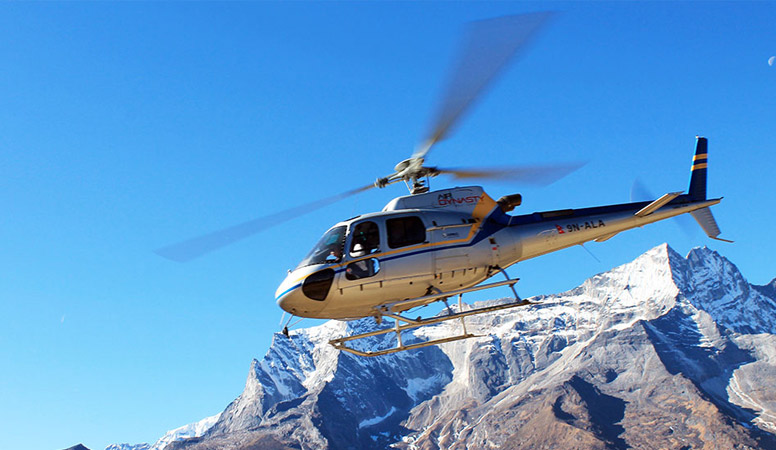
The helicopter tour to Everest Base Camp has become one of the most popular ways to experience the Himalayan region of Nepal. Instead of trekking for days through rugged mountain trails, travelers can reach the foothills of Mount Everest within just a few hours by helicopter. This scenic flight offers breathtaking views of snow covered peaks, glaciers, Sherpa villages, and some of the highest mountains on Earth.
However, before booking this once in a lifetime Himalayan adventure, it is important for travelers to understand one key aspect of helicopter operations: weight limits and luggage policies. Unlike commercial airplanes, helicopters flying in high altitude mountain environments must strictly follow payload restrictions to ensure safe performance and stability.
The Everest region sits at extreme elevations, where thin air reduces the lifting capacity of helicopters. Because of this, every flight must be carefully balanced based on the total weight of passengers, luggage, and fuel. Helicopter operators calculate these limits before departure, and passengers are typically weighed at the heliport to maintain proper aircraft balance.
Understanding how these weight limits work helps travelers prepare properly for their flight. It also prevents unexpected delays or luggage adjustments before departure. This guide explains everything you need to know about Everest Base Camp helicopter tour weight restrictions, luggage allowances, seating arrangements, and packing tips, helping you enjoy a smooth and safe Himalayan flight experience.
Travelers planning their helicopter adventure can explore the full tour details here:
https://www.easyhelicopternepal.com/everest-base-camp-helicopter-tour-with-landing
Why Weight Limits Are Important for Everest Helicopter Tours
Helicopter operations in the Himalayas are very different from regular aviation flights. The extreme altitude of the Everest region creates unique challenges for aircraft performance, making weight management an essential part of every flight.
As helicopters climb higher into the mountains, the air becomes thinner. This decrease in air density reduces the efficiency of the rotor blades that generate lift. At the same time, engines must work harder to maintain altitude and stability. Because of these conditions, helicopters cannot carry as much weight at higher elevations as they can at sea level.
Safety is the primary reason for strict payload restrictions. Every helicopter must maintain a proper center of gravity, which ensures the aircraft remains stable during takeoff, landing, and flight. If the weight inside the helicopter is not evenly distributed, it can affect balance and handling.
This becomes especially important when landing at high altitude viewpoints such as Kala Patthar, one of the most famous vantage points for viewing Mount Everest. At elevations above 5,500 meters, helicopters must operate within carefully calculated weight limits to ensure safe landing and takeoff.
Because of these factors, helicopter pilots and operators must carefully manage passenger weight, luggage allowance, and seating arrangements before every flight.
Standard Passenger Weight Limits for Everest Base Camp Helicopter Tours
When planning an Everest helicopter tour, travelers often ask whether there is a strict individual weight limit. In most cases, there is no fixed limit for each passenger. Instead, operators focus on the total payload capacity of the helicopter.
Most helicopters used for Everest flights have a payload capacity of approximately 450 to 500 kilograms. This total includes passengers, luggage, pilot weight, and equipment. The exact capacity may vary depending on weather conditions, fuel load, and altitude.
For planning purposes, helicopter companies typically assume an average passenger weight of around 75 to 80 kilograms. However, this is only an estimate used during booking. Before the flight, passengers are usually weighed at the heliport so that the pilot can calculate the most balanced seating arrangement.
Under normal conditions, an Everest Base Camp helicopter tour can carry up to five passengers and one pilot. This number may be adjusted depending on the combined weight of the group. If the passengers are heavier than the average estimate, the operator may reduce the number of passengers on board or make operational adjustments to maintain safety.
This approach allows helicopter companies to maintain safe flight operations while still providing an unforgettable experience in the Himalayas.
Luggage Policy for Everest Helicopter Tours
Because helicopters have limited cargo space, luggage policies are much stricter than on commercial flights. Travelers should keep in mind that the Everest helicopter tour is a short experience, typically lasting four to five hours, so only essential items are necessary.
Most operators allow approximately five kilograms of luggage per passenger. This small allowance is usually enough for personal items such as a camera, phone, sunglasses, or a small backpack. Large suitcases or heavy trekking bags are not permitted on the helicopter.
Soft bags are preferred because they can be easily stored inside the helicopter's cargo compartment. Hard shell luggage or bulky suitcases are difficult to accommodate and may not fit inside the aircraft.
Travelers visiting Nepal for longer trips often carry larger luggage. Fortunately, this is not a problem. Most hotels in **Kathmandu offer secure luggage storage services for guests. Extra bags can safely remain at the hotel while passengers take the helicopter tour.
Packing light helps ensure smooth boarding and prevents delays during the pre flight safety checks.
Weight Distribution and Passenger Seating
Helicopter seating is carefully planned to maintain balance and stability during flight. Unlike commercial airplanes where passengers can choose seats freely, helicopter pilots assign seats based on the overall weight distribution of the aircraft.
Before departure, the pilot calculates the center of gravity by considering the weight of each passenger and the placement of luggage. Passengers may be seated in specific positions to ensure that the helicopter remains properly balanced.
For example, heavier passengers may be seated closer to the front of the aircraft while lighter passengers sit toward the rear. This arrangement helps maintain stable flight performance throughout the journey.
In some cases, passengers may also be asked to rotate seats during the tour. This usually happens during landing stops or after certain segments of the flight. Seat rotation ensures that everyone has a fair opportunity to enjoy the panoramic views while maintaining safe aircraft balance.
These procedures are standard practice in helicopter operations and are carefully managed by experienced pilots.
Shuttle Flights During High Altitude Landings
One unique aspect of the Everest helicopter tour is the possibility of shuttle flights during the landing segment of the trip. This typically occurs when the helicopter reaches the higher elevations near Kala Patthar.
Because of the extreme altitude, the helicopter may not be able to land with all passengers on board at once. To manage this safely, the aircraft may first land at a lower altitude village such as Pheriche. From there, the pilot performs short shuttle flights carrying two or three passengers at a time to the higher viewpoint.
Each shuttle trip takes only a few minutes, and all passengers still get the opportunity to land and enjoy the spectacular scenery. This procedure is very common in the Everest region and is used by helicopter operators throughout Nepal.
While it may sound unusual to first time travelers, these shuttle rotations are a normal part of high altitude helicopter operations and ensure maximum safety.
What Happens If the Group Exceeds the Weight Limit
In some situations, the combined weight of passengers and luggage may exceed the helicopter’s safe payload limit. When this happens, the operator will make adjustments before departure.
One possible solution is splitting the group into separate flights. If multiple helicopters are available, the passengers may be divided between aircraft. In other cases, the helicopter may complete the tour in multiple trips.
Another adjustment may involve reducing luggage weight. Passengers may be asked to leave unnecessary items at the hotel or heliport to reduce the total load.
These adjustments are always made in consultation with the pilot, whose primary responsibility is ensuring safe flight operations. Although these changes can occasionally alter the schedule slightly, they help maintain the highest safety standards for everyone on board.
Packing Tips for Everest Helicopter Tours
Packing properly for the Everest helicopter tour ensures a more comfortable and efficient experience. Since the journey lasts only a few hours, travelers should focus on bringing only essential items.
A small backpack containing personal items is usually sufficient. Important belongings such as a passport, phone, camera, sunglasses, and basic medication should be included. Because sunlight at high altitude is strong, sunscreen is also recommended.
Clothing should be chosen carefully. Although the tour begins in Kathmandu where temperatures may be mild, conditions near Everest Base Camp are much colder. A warm jacket, gloves, and a hat can help keep passengers comfortable during the landing stop.
Heavy or bulky equipment should be avoided whenever possible. Large trekking backpacks, multiple camera lenses, or unnecessary clothing can quickly exceed the luggage allowance and create complications during the flight preparation process.
Packing light not only helps maintain the helicopter’s weight balance but also makes the overall experience more convenient.
Helicopters Used for Everest Base Camp Tours
The aircraft used for Everest helicopter tours are specially designed for mountain operations and high altitude environments. These helicopters are powerful, reliable, and widely used across the Himalayan region.
Two of the most common models used in Everest flights are the Airbus H125 and the Bell 407. Both aircraft are known for their strong engines and excellent high altitude performance.
These helicopters typically accommodate five passengers along with the pilot. Large panoramic windows provide clear views of the Himalayan landscape, making the flight itself one of the most memorable parts of the experience.
The advanced engineering of these helicopters allows them to safely operate at elevations above 6,000 meters, which is essential for flights in the Everest region.
Travelers interested in exploring other scenic flights can view additional helicopter tours available across Nepal here:
https://www.easyhelicopternepal.com/
Tips for a Smooth Everest Helicopter Tour Experience
Preparing properly before the flight can help ensure a smooth and enjoyable experience. Travelers should plan to arrive early at the helicopter terminal so that the staff can complete the necessary safety procedures. This includes passenger weighing, luggage checks, and a brief safety orientation.
Providing accurate weight information during booking also helps operators plan flights more efficiently. While the weighing process may seem unusual to some travelers, it is a routine part of helicopter operations worldwide.
Choosing a reputable and experienced helicopter company is equally important. Professional operators employ skilled pilots who are familiar with the challenging flying conditions of the Himalayas. They also maintain aircraft to the highest safety standards.
Travelers who prefer a scenic flight without landing can also consider the Everest overfly option offered by Easy Helicopter Nepal:
https://www.easyhelicopternepal.com/everest-base-camp-overfly-helicopter-tour
Conclusion
The Everest Base Camp helicopter tour offers one of the most spectacular travel experiences in the world. In just a few hours, travelers can witness the towering peaks of the Himalayas, fly over remote mountain valleys, and enjoy breathtaking views of Mount Everest.
Because these flights operate in extreme high altitude environments, strict weight limits and luggage policies are essential for safe operations. These guidelines help pilots maintain proper aircraft balance and ensure reliable performance during takeoff, flight, and landing.
By understanding these rules and preparing accordingly, travelers can avoid unnecessary complications and focus on enjoying the incredible scenery of the Everest region.
Packing light, following luggage recommendations, and working with a trusted helicopter operator all contribute to a smooth and memorable journey.
Those ready to experience the Himalayas from the sky can learn more about the Everest helicopter tours offered by Easy Helicopter Nepal here:
https://www.easyhelicopternepal.com/everest-base-camp-helicopter-tour-with-landing
With proper preparation and the right operator, your helicopter flight to Everest Base Camp will become a truly unforgettable Himalayan adventure
On 15 Mar 2026
Recent From Blogs

17 Jun 2023

17 Feb 2024


19 Aug 2025


21 Aug 2025


