
Ultimate Packing List For Everest Base Camp Helicopter Tour
Introduction
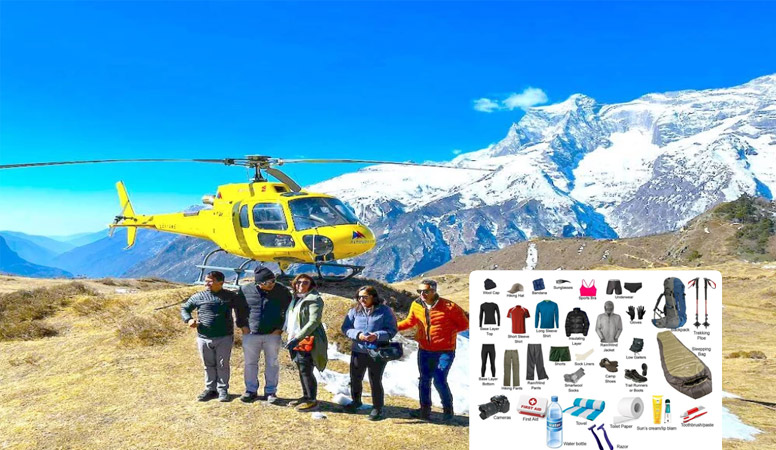
Imagine standing face to face with the world’s highest mountain less than an hour after takeoff. An Everest Base Camp Helicopter Tour makes that possible. You can fly from Kathmandu to the heart of the Himalayas and witness the legendary Mount Everest without days of trekking.
It sounds effortless, and compared to the classic trek, it absolutely is. But here is what many travelers misunderstand: even though the flight is short, you are still entering a high altitude alpine environment above 5,000 meters. Packing properly is not optional. It directly affects your comfort, safety, and overall experience.
Why Packing Still Matters on a Short Helicopter Trip
Unlike the multi day trek to Everest Base Camp, a helicopter tour involves rapid elevation gain. In less than an hour, you go from approximately 1,400 meters in Kathmandu to over 5,000 meters near Kala Patthar. That sudden change means:
-
Thin air
-
Freezing wind chill
-
Intense UV exposure
-
Unpredictable mountain weather
Even if you land for only 10 to 15 minutes, the cold can feel extreme. Many travelers underestimate this and regret not bringing proper layers.
This is why having a well planned Everest Base Camp Helicopter Tour packing list is essential.
Weather in the Himalayas Is Unpredictable
The Himalayan region is famous for its rapidly changing weather patterns. Clear blue skies in the morning can turn windy and freezing within minutes. Temperatures at landing points near Everest often drop below freezing, especially outside peak spring and autumn seasons.
Strong rotor wind combined with natural mountain gusts makes it feel significantly colder than the actual temperature. Knowing exactly what to wear for Everest helicopter tour conditions can make the difference between enjoying your landing and rushing back to the helicopter.
Helicopter Tour Packing vs Everest Trek Packing
One of the biggest mistakes travelers make is confusing helicopter packing with trekking packing.
For a full Everest Base Camp trek, you need:
-
Heavy duffel bags
-
Multiple clothing changes
-
Sleeping gear
-
Toiletries for two weeks
-
Trekking equipment
For a helicopter tour, you need:
-
Smart layering
-
Lightweight essentials
-
Minimal but effective protection from cold and sun
-
Small daypack only
You are not hiking for days. You are flying in and out within a few hours. That means your packing strategy should focus on efficiency, warmth, and weight limits, not bulk.
Understanding these differences helps you avoid overpacking while still carrying the right Everest helicopter tour essentials.
What This Complete Guide Will Cover
This in depth guide will walk you through:
-
Essential clothing for all seasons
-
Personal items you must carry
-
Electronics and camera gear tips
-
Optional but useful items
-
Items you should NOT pack
-
Seasonal packing adjustments
-
Expert pro tips for first time flyers
-
A printable quick checklist
Whether you are flying in spring, autumn, winter, or monsoon, this guide will help you prepare confidently for one of the most breathtaking adventures in Nepal.
Why Packing Smart Matters for Everest Helicopter Tour
Many travelers assume that because this is a short flight, packing does not require much thought. In reality, smart packing is one of the most important parts of preparing for an Everest helicopter experience. You are entering a high altitude alpine environment within minutes, and conditions at over 5,000 meters are dramatically different from Kathmandu.
Let us break down exactly why packing properly matters.
High Altitude and Rapid Elevation Gain
One of the most unique aspects of an Everest helicopter tour is the rapid change in altitude.
-
Kathmandu elevation: approximately 1,400 meters
-
Everest region landing elevation: around 5,364 meters at Everest Base Camp
-
Kala Patthar elevation: approximately 5,545 meters
Within less than an hour, you ascend more than 4,000 meters. This sudden elevation gain exposes you to:
-
Thin air with lower oxygen levels
-
Significantly colder temperatures
-
Stronger UV radiation
-
Dry, sharp wind
Even if you land only briefly near Kala Patthar, the cold can feel intense due to reduced air pressure and wind exposure.
At these elevations, temperatures are often below freezing in the early morning, even during peak trekking seasons. Proper layering becomes essential, not optional.
Short Flight, Extreme Weather Conditions
The flight itself may be smooth and comfortable, but conditions outside the helicopter can be harsh.
Temperature at Kala Patthar
At Kala Patthar, temperatures can range approximately:
-
Spring and Autumn mornings: -5°C to 5°C
-
Winter mornings: -15°C or lower
-
Even in mild seasons, early departures are cold
The Everest helicopter tours usually operate early in the morning for clear skies. Early morning also means the coldest part of the day.
Wind Chill Factor
The real challenge is not just temperature. It is wind chill.
When the helicopter lands, strong rotor wash combines with natural Himalayan winds. This can make the perceived temperature feel 5 to 10 degrees colder than the actual reading.
Without:
-
A proper down jacket
-
Windproof outer layer
-
Gloves and hat
You may feel uncomfortable within minutes. Knowing exactly what to wear for Everest helicopter tour conditions ensures you enjoy your landing instead of rushing back into the cabin.
Weight Limit Restrictions in Helicopter
Another major reason to pack smart is aircraft weight restriction.
Most helicopters operating in the Everest region have a total load capacity of around 500 kg, including:
-
Passengers
-
Pilot
-
Fuel
-
Luggage
In high altitude environments, weight directly impacts safety and performance. That is why operators carefully calculate passenger distribution and luggage allowance.
Importance of Light Packing
For a helicopter tour, you typically need only:
-
A small daypack
-
Essential warm layers
-
Minimal personal items
Overpacking creates unnecessary complications and may require leaving items behind at the departure point.
This is why a streamlined Everest helicopter tour packing list is far better than carrying bulky luggage.
Soft Bags vs Hard Luggage
Soft duffel bags or small backpacks are strongly recommended because:
-
They are easier to load
-
They fit better in compact helicopter compartments
-
They reduce overall weight
Hard suitcases are not practical and often not permitted.
Packing smart means balancing three key factors:
-
Protection from high altitude cold
-
Adaptability to unpredictable mountain weather
-
Respecting helicopter weight limitations
In the next section, we will go step by step through the essential clothing items you should carry for a comfortable and safe Everest helicopter adventure.
Essential Clothing Packing List for Everest Helicopter Tour
When preparing your Everest Base Camp Helicopter Tour packing list, clothing is the most important category. Even though the journey is short, you will be landing at extreme altitude where temperatures can drop below freezing, especially during early morning departures.
Unlike trekking, you do not need multiple outfit changes. You need a smart, efficient layering system that keeps you warm, protects you from wind, and remains lightweight.
Let us break it down step by step.
Layering System Explained
This is the most important concept when deciding what to wear for Everest helicopter tour conditions. Layering allows you to adjust quickly depending on temperature, wind, and sunlight.
1. Base Layer (Thermal Tops and Bottoms)
Your base layer sits directly against your skin. Its purpose is to:
-
Retain body heat
-
Wick away moisture
-
Keep you dry in cold air
Recommended materials:
-
Merino wool
-
Synthetic thermal fabric
Avoid cotton because it absorbs moisture and makes you feel colder.
Even in spring or autumn, a thermal base layer is highly recommended due to early morning cold temperatures in the Everest region.
2. Mid Layer (Fleece or Insulated Jacket)
The mid layer provides insulation. It traps body heat and creates warmth between your base layer and outer shell.
Good options include:
-
Fleece jackets
-
Light insulated jackets
-
Synthetic puff jackets
This layer is especially useful when stepping outside the helicopter at high altitude viewpoints.
3. Outer Layer (Windproof and Waterproof Jacket)
Your outer layer protects you from:
-
Strong Himalayan wind
-
Rotor wash from the helicopter
-
Sudden weather changes
A windproof and waterproof shell jacket is ideal. Even if there is no rain forecast, wind protection is essential.
Without a proper outer layer, the wind chill at landing points can make temperatures feel significantly colder than they actually are.
Down Jacket (Must Have Even in Spring)
A down jacket is one of the most important Everest helicopter tour essentials.
Why Temperature Drops Quickly
At elevations above 5,000 meters, temperatures are naturally low. Combined with wind exposure and thin air, your body loses heat quickly. Even during clear spring mornings, it can feel freezing at viewpoints like Kala Patthar.
Since helicopter tours usually operate early in the morning for the best visibility of Mount Everest, you will experience the coldest part of the day.
A high quality down jacket provides:
-
Excellent insulation
-
Lightweight warmth
-
Easy compression for packing
Renting Option in Kathmandu
If you are traveling light or visiting Nepal for a short time, you can easily rent down jackets in Kathmandu. Many trekking shops in Thamel offer affordable daily rental options.
This is a practical solution for travelers who do not want to invest in expensive winter gear.
Comfortable Warm Trousers
Your lower body also needs protection from cold and wind.
Recommended:
-
Trekking pants
-
Softshell pants
-
Insulated outdoor trousers
These materials provide warmth while remaining breathable and flexible.
Avoid jeans. Denim:
-
Offers poor insulation
-
Becomes stiff in cold weather
-
Absorbs moisture
-
Feels uncomfortable in windy conditions
Smart trekking pants are lightweight and ideal for high altitude helicopter landings.
Gloves, Hat, and Neck Buff
Small accessories make a big difference at high altitude.
At landing points, cold wind combined with helicopter rotor wash can quickly chill exposed skin.
You should carry:
-
Warm gloves
-
Insulated beanie or wool hat
-
Neck buff or scarf
Gloves protect your hands while taking photos. A hat prevents heat loss from your head, and a neck buff shields your face from sharp wind.
These items take minimal space but dramatically improve comfort.
Sunglasses with UV Protection
Many travelers underestimate sun exposure in the mountains.
At high altitude:
-
UV radiation is significantly stronger
-
Snow and ice reflect sunlight
-
Glare can strain your eyes
High quality sunglasses are essential. Look for:
-
100 percent UV protection
-
Category 3 or Category 4 lenses
Snow glare near Everest can be intense, and proper eyewear ensures both safety and clear visibility for photography.
Footwear
You do not need heavy mountaineering boots for a helicopter tour. However, proper footwear is still important.
Recommended:
-
Lightweight trekking shoes
-
Comfortable hiking shoes with good grip
Landing areas can be rocky, icy, or uneven. Good grip prevents slipping and improves stability.
Warm Socks
Wear:
-
Wool or thermal socks
-
Avoid thin cotton socks
Your feet can feel cold quickly at altitude, especially during early morning landings. Warm socks complete your layering system from head to toe.
Important Personal Items to Carry
Clothing keeps you warm, but a few small personal essentials will make your Everest helicopter experience smooth, safe, and stress free. Even though this is not a multi day trek, you are still entering a regulated high altitude region inside Sagarmatha National Park.
Here are the important personal items you should include in your Everest Base Camp Helicopter Tour packing list.
Passport or ID Copy
Always carry:
-
Your original passport, or
-
A clear photocopy of your passport
Permits in the Everest region require identification verification. Operators may also need your passport details for flight manifests and emergency records.
Even if your helicopter company arranges the permits in advance, your identification is still mandatory for regional entry procedures.
Keep it inside a waterproof pouch or secure inner pocket.
Permits (If Required)
Depending on the specific itinerary and landing plan, certain permits may be required.
TIMS Card (If Applicable)
The TIMS Card, which stands for Trekkers’ Information Management System, is typically required for trekkers. For helicopter tours, it is not always mandatory, but regulations can vary depending on itinerary and operator arrangements.
Always confirm with your tour company in advance.
Sagarmatha National Park Permit
Most Everest helicopter tours entering the Everest region require a permit for Sagarmatha National Park.
This protected area covers the Everest region and includes iconic landmarks like Mount Everest and Kala Patthar.
Reputable operators usually arrange this for you, but it is important to:
-
Confirm it is included in your package
-
Carry a copy if provided
Sunscreen and Lip Balm
One of the most underestimated Everest helicopter tour essentials is sun protection.
At high altitude:
-
UV radiation is significantly stronger
-
The atmosphere is thinner
-
Snow reflects sunlight
Even on cold days, sunburn can happen quickly.
You should carry:
-
Sunscreen with SPF 50+
-
Lip balm with SPF protection
Apply sunscreen before boarding the helicopter and reapply if needed after landing. Lips dry and crack quickly in cold, windy air, so lip balm is essential.
Water Bottle
Hydration is important even during a short visit.
At high altitude, the air is:
-
Dry
-
Thin
-
Dehydrating
Carry a small reusable water bottle. You do not need large volumes, but staying hydrated helps your body adjust better to altitude.
Avoid heavy bottles. A lightweight reusable bottle is sufficient for the duration of the flight and landing.
Snacks or Energy Bars
You are not trekking, but early morning departures and cold exposure can lower your energy levels.
Light snacks are helpful, such as:
-
Energy bars
-
Protein bars
-
Chocolate
-
Dry fruits
Keep them simple and lightweight. Quick energy boosts can make you feel more comfortable, especially if you skipped a heavy breakfast before your flight.
Personal Medication
If you take regular medication, always carry it with you in your daypack.
Altitude Medication (If Prescribed)
Some travelers consult doctors about altitude medication before visiting high elevation areas. If prescribed, bring it with you and follow medical advice carefully.
Although helicopter tours minimize prolonged exposure, you are still visiting elevations above 5,000 meters.
Basic First Aid
A small personal first aid kit can include:
-
Headache tablets
-
Personal prescriptions
-
Motion sickness tablets if needed
Most professional helicopter operators carry emergency equipment, but your personal essentials should always remain with you.
Electronics and Camera Gear
One of the biggest highlights of an Everest helicopter experience is the opportunity to capture breathtaking aerial views of Mount Everest and the surrounding Himalayan peaks. Because you will be flying at high altitude and landing briefly near iconic viewpoints like Kala Patthar, preparing your electronics properly is essential.
Cold weather and thin air can affect battery life and device performance. Here is how to prepare your camera gear wisely.
Camera or Smartphone
Whether you are using a DSLR, mirrorless camera, or a high quality smartphone, make sure it is fully prepared before takeoff.
Key preparation tips:
-
Ensure you have enough storage space
-
Clear old photos or carry an extra memory card
-
Fully charge your device
-
Set camera settings in advance
Helicopter landings are short, often 10 to 15 minutes. You do not want to waste valuable time deleting files or adjusting complicated settings.
Clean Lenses Before Flight
Before boarding, clean your camera lens or smartphone lens carefully. Dust, fingerprints, or moisture can ruin high altitude photos.
Crystal clear skies and snow reflections around Everest make for stunning photography, but they also highlight smudges easily.
Spare Batteries
Cold weather significantly affects battery performance.
At elevations above 5,000 meters:
-
Batteries drain faster
-
Devices may shut down unexpectedly
-
Power percentage can drop suddenly
Always carry at least one fully charged spare battery if you are using a DSLR or mirrorless camera.
If you are relying on a smartphone for photos and videos, make sure it starts the trip at 100 percent battery.
Power Bank
A lightweight power bank is one of the most practical Everest helicopter tour essentials.
Tips for using it effectively:
-
Keep the power bank inside your jacket pocket
-
Avoid leaving it exposed to cold air
-
Use a short cable for convenience
Cold temperatures reduce battery efficiency, so keeping electronics close to your body helps maintain warmth and performance.
Choose a compact, lightweight power bank to avoid adding unnecessary weight.
GoPro or Action Camera
If you plan to capture aerial footage inside the helicopter, an action camera can be a great addition.
Important safety tips:
-
Secure it with a strap
-
Avoid loose mounts
-
Follow pilot instructions
Strong rotor wind and movement during landing can easily knock unsecured equipment away. Always prioritize safety over filming.
Also, make sure your action camera battery is fully charged and carry an extra if possible.
Electronics are optional, but for many travelers, they are a major part of the experience. Preparing your camera gear correctly ensures you capture stunning views of Everest without technical interruptions.
Optional But Recommended Items
While the essential clothing and personal items form the core of your Everest Base Camp Helicopter Tour packing list, a few additional items can significantly improve your comfort and convenience. These are not mandatory, but they are highly recommended for a smoother high altitude experience.
Small Daypack (20–30L)
A compact daypack is ideal for a helicopter tour.
Why it is recommended:
-
Easy to carry
-
Lightweight and compact
-
Keeps your essentials organized
-
Fits easily inside helicopter luggage space
Since helicopters have strict weight limitations, you should avoid large backpacks or suitcases. A 20 to 30 liter daypack is more than enough to carry:
-
Down jacket (if not wearing it)
-
Water bottle
-
Snacks
-
Camera gear
-
Personal documents
Choose a soft, flexible backpack rather than a rigid frame pack.
Wet Wipes or Hand Sanitizer
Facilities at high altitude landing areas are extremely limited.
When landing near viewpoints in the Everest region, you may not have access to proper washrooms or water facilities. Carrying small hygiene essentials such as:
-
Wet wipes
-
Hand sanitizer
Helps you stay clean and comfortable during your short stop.
These items take almost no space and are very practical in cold and dry mountain conditions.
Travel Insurance Copy
Although helicopter tours are generally safe and professionally operated, it is always wise to carry a copy of your travel insurance.
Your policy should ideally include:
-
High altitude coverage
-
Emergency medical evacuation
-
Helicopter evacuation coverage
The Everest region lies inside Sagarmatha National Park, and weather conditions can change quickly. Having proof of insurance ensures peace of mind.
Carry either:
-
A printed copy, or
-
A digital copy stored offline on your phone
Lightweight Scarf or Face Mask
A lightweight scarf, neck gaiter, or face mask can be extremely useful.
Why it helps:
-
Protects your face from strong rotor wind
-
Shields against cold gusts
-
Reduces exposure to dust or dry air
When the helicopter lands near high altitude viewpoints such as Kala Patthar, wind conditions can feel intense. A simple face covering adds an extra layer of protection and comfort.
What NOT to Pack for Everest Helicopter Tour
Packing smart is not only about what to bring, but also about what to leave behind. Because helicopter flights to the Everest region operate under strict safety and weight guidelines, carrying unnecessary or restricted items can create inconvenience and delays.
Here is what you should NOT include in your Everest Base Camp Helicopter Tour packing list.
Heavy Suitcases
Hard shell suitcases or large luggage bags are not suitable for helicopter tours.
Reasons to avoid them:
-
Limited luggage space inside helicopters
-
Strict total load capacity, often around 500 kg including passengers and fuel
-
Difficulty fitting rigid luggage into compact cargo compartments
Helicopter operators strongly recommend soft bags or small daypacks instead. A lightweight backpack is far more practical and aligns with high altitude flight requirements.
Unnecessary Clothing
This is not a multi day trek. Overpacking clothing is one of the most common mistakes travelers make.
You do not need:
-
Multiple outfit changes
-
Heavy sweaters for layering on layering
-
Extra shoes
-
Bulky winter gear beyond essential insulation
The key is efficiency. Wear your heaviest jacket instead of packing it. Follow a simple layering system and avoid filling your bag with backup outfits you will never use.
Remember, you will only spend a few hours in the Everest region, not days.
Drones (Restricted in Sagarmatha National Park)
Drone usage in the Everest region is heavily regulated.
Sagarmatha National Park has strict rules regarding aerial devices. Flying drones without proper authorization is generally prohibited and may result in:
-
Confiscation of equipment
-
Heavy fines
-
Legal penalties
Additionally, helicopter operations and drone flights can create serious safety hazards.
Unless you have official government permits and aviation clearance, do not bring a drone for your Everest helicopter tour.
Sharp or Restricted Items
Helicopter flights follow aviation safety protocols. Avoid packing:
-
Knives
-
Sharp tools
-
Flammable materials
-
Large liquid containers
-
Hazardous items
These items are either prohibited or unnecessary for a short scenic flight.
Keep your bag simple and practical. The goal is comfort, safety, and efficiency.
Leaving behind unnecessary or restricted items ensures a smooth boarding process and helps maintain safe weight distribution for the flight.
Seasonal Packing Guide for Everest Helicopter Tour
The Everest region experiences four distinct seasons, and each one affects how you should prepare. Even though helicopter tours operate year round depending on weather conditions, your packing strategy should adjust slightly based on the time of year.
Understanding seasonal differences helps you refine your Everest Base Camp Helicopter Tour packing list and ensures maximum comfort during your landing near Mount Everest.
Spring (March to May)
Spring is one of the best seasons for Everest helicopter tours.
What to expect:
-
Mild daytime temperatures
-
Clear mountain views
-
Colorful landscapes at lower elevations
-
Windy conditions at higher altitude
Although temperatures are more moderate compared to winter, early mornings at high altitude are still cold. Landings near Kala Patthar can feel freezing due to wind chill.
Packing tips for spring:
-
Full layering system
-
Down jacket
-
Windproof outer shell
-
Gloves and hat
-
Sunglasses with strong UV protection
Layering remains essential even if the forecast looks pleasant in Kathmandu.
Autumn (September to November)
Autumn is another peak season for helicopter tours in the Everest region.
What to expect:
-
Crystal clear skies
-
Excellent visibility
-
Stable weather patterns
-
Cold mornings
This season offers some of the best panoramic views of the Himalayas. However, temperatures at high altitude drop significantly during early departures.
Packing tips for autumn:
-
Thermal base layer
-
Fleece or insulated mid layer
-
Down jacket
-
Warm gloves and beanie
-
Warm socks
Even if afternoons feel comfortable at lower elevations, mornings at high altitude are cold and windy.
Winter (December to February)
Winter brings dramatic scenery and fewer crowds, but it is the coldest season in the Everest region.
What to expect:
-
Very cold temperatures
-
Snow covered landscapes
-
Extremely cold mornings
-
Shorter daylight hours
At high altitude, temperatures can drop well below freezing, especially before mid morning.
Packing tips for winter:
-
Heavy thermal base layers
-
Thick insulated down jacket
-
Windproof and waterproof shell
-
Insulated gloves
-
Wool hat
-
Thermal socks
Extra insulation is necessary during winter landings. Protecting exposed skin becomes even more important due to freezing wind.
Monsoon (June to August)
Monsoon season brings different challenges.
What to expect:
-
Frequent cloud cover
-
Rain at lower elevations
-
Reduced visibility
-
Weather uncertainties
Flights are more weather dependent during this period. Clear windows for mountain views can still occur, especially early in the morning, but flexibility is required.
Packing tips for monsoon:
-
Waterproof outer jacket
-
Light thermal layer
-
Quick dry trekking pants
-
Waterproof backpack cover
-
Extra caution with electronics
While it may not be as cold as winter, sudden rain and moisture are common at lower elevations before reaching the Everest region.
Packing Tips from Everest Helicopter Experts
After operating hundreds of high altitude flights in the Everest region, experienced helicopter crews have seen every packing mistake possible. The difference between a smooth, comfortable experience and an uncomfortable one often comes down to smart preparation.
Here are practical, field tested packing tips recommended by Everest helicopter professionals.
Pack Light but Warm
The golden rule of any Everest helicopter flight is simple: lightweight but insulated.
At high altitude near Mount Everest, temperatures are cold, but your exposure time is short. You do not need bulky luggage. You need efficient warmth.
Focus on:
-
Thermal base layer
-
Insulating mid layer
-
Quality down jacket
-
Windproof shell
Avoid carrying multiple outfit changes. Every extra kilogram affects helicopter load calculations, especially when flying inside Sagarmatha National Park where altitude reduces aircraft performance.
Smart packing improves safety and comfort at the same time.
Wear Your Heaviest Jacket Instead of Packing It
This is one of the most practical expert tips.
Rather than placing your down jacket inside your bag, wear it during boarding. This:
-
Reduces luggage weight
-
Saves space
-
Keeps you warm immediately after landing
-
Makes cabin transitions easier
If you feel warm during flight, you can unzip slightly instead of removing it entirely.
Keep Essentials in Jacket Pockets
Landing time at viewpoints such as Kala Patthar is usually short. You may only have 10 to 15 minutes outside the helicopter.
To avoid wasting time:
Keep small essentials in your jacket pockets:
-
Phone
-
Sunglasses
-
Lip balm
-
Gloves
-
Small camera battery
This prevents unnecessary unpacking and ensures you are ready the moment you step outside.
Avoid Loose Items During Landing
High altitude landing areas can be windy. When helicopter rotors are active, the airflow becomes even stronger.
Loose items such as:
-
Scarves
-
Hats
-
Paper documents
-
Lightweight plastic bags
Can easily blow away.
Always:
-
Secure your hat
-
Zip all pockets
-
Close your backpack properly
-
Hold onto your belongings firmly
Safety instructions from ground crew and pilot must always be followed carefully.
Listen Carefully to Pilot Safety Briefing
Before departure, the pilot or crew will give a short safety briefing. This is extremely important in mountain flying conditions.
The briefing usually covers:
-
Boarding and exiting procedures
-
Safe walking directions near the helicopter
-
Weight balance instructions
-
Emergency guidelines
Mountain flying requires precision and discipline. Listening carefully ensures:
-
Your personal safety
-
Smooth coordination
-
Efficient landing and takeoff
Experienced operators emphasize that following instructions is just as important as packing properly.
With years of operating Everest region flights, professional helicopter teams understand that preparation directly impacts passenger comfort and safety. Smart packing is part of responsible mountain travel.
Sample Quick Checklist (Printable Section)
For quick reference before your Everest Base Camp Helicopter Tour, here is a clean, easy-to-follow checklist. You can print this out or keep it on your phone to make sure you have all the essentials packed.
Clothing
-
Thermal base layer (top and bottom)
-
Fleece or insulated mid layer
-
Down jacket (warm and lightweight)
-
Windproof and waterproof outer jacket
-
Warm trekking trousers (avoid jeans)
-
Gloves (insulated)
-
Hat or beanie
-
Sunglasses with UV protection
-
Lightweight trekking shoes
-
Warm socks
Essentials
-
Passport copy or ID
-
Permits (Sagarmatha National Park, TIMS if applicable)
-
Sunscreen (SPF 50+)
-
Lip balm with SPF
-
Water bottle
-
Snacks or energy bars
-
Personal medication / basic first aid
Electronics
-
Camera or smartphone
-
Extra battery or spare memory card
-
Power bank
-
Optional: GoPro or action camera (secure with strap)
This checklist focuses on lightweight, practical items designed for high altitude conditions. Following it ensures you are prepared for extreme weather, short landing times, and the unique demands of an Everest helicopter adventure.
Frequently Asked Questions
Here are the most commonly asked questions by travelers planning an Everest Base Camp Helicopter Tour, along with clear answers. These address key concerns about packing, clothing, and safety.
What should I wear for Everest Base Camp Helicopter Tour?
Wear a layering system: a thermal base layer, fleece or insulated mid layer, and a windproof/waterproof outer jacket. Add a down jacket, gloves, hat, and sunglasses for protection against cold and UV exposure at high altitude.
Do I need heavy winter clothes for EBC helicopter tour?
Not always. Heavy winter clothes are only necessary during winter months (December–February). In spring and autumn, lightweight insulated layers and a down jacket are sufficient. Always prepare for sudden cold and wind.
Is there a luggage weight limit on Everest helicopter flights?
Yes. Most helicopters operating in the Everest region have a total load limit of around 500 kg, including passengers, fuel, and luggage. Soft daypacks and small bags are recommended. Heavy suitcases are not allowed.
Can I bring a drone to Everest helicopter tour?
No. Drones are restricted in Sagarmatha National Park and the Everest region. Flying a drone without government permission is illegal and unsafe near helicopters.
Do I need trekking boots for helicopter tour?
No. Lightweight trekking or hiking shoes are sufficient. The landing area is short and does not involve long trekking. Make sure shoes have good grip for icy or rocky surfaces.
How cold is Kala Patthar during helicopter landing?
Temperatures can range from -5°C to -15°C, depending on the season and early morning timing. Strong winds from rotor wash make it feel even colder, so proper layering and gloves are essential.
Is oxygen required for Everest helicopter tour?
No. Oxygen is generally not required because the exposure time is short. However, some operators carry supplemental oxygen for emergencies, and travelers with health conditions should consult their doctor.
Can I rent jackets in Kathmandu?
Yes. Many shops in Thamel and around Kathmandu offer down jacket rentals for Everest helicopter tours. This is convenient for travelers who do not want to purchase expensive winter gear.
Final Packing Advice Before Your Everest Helicopter Adventure
Preparing for an Everest Base Camp Helicopter Tour may feel overwhelming at first, but the key is to keep it simple, practical, and focused on safety. Even though the journey is short, you are entering one of the world’s highest and coldest environments.
Reassure Yourself
Remember, this is a short scenic flight designed for comfort. You don’t need to overpack or carry heavy trekking gear. By following the essentials in this guide, you are fully prepared for a safe and enjoyable experience.
Emphasize Simplicity
Smart packing is about efficiency, not quantity. Stick to:
-
A solid layering system
-
Lightweight personal items
-
Minimal electronics
-
A small daypack
Everything else is optional. Overpacking only adds weight and complicates boarding.
Prioritize Comfort and Safety
Comfort comes from warmth, wind protection, and good footwear, while safety comes from following weight limits, securing belongings, and listening to the pilot’s instructions. Together, they ensure your landing at viewpoints like Kala Patthar is memorable for all the right reasons.
Plan for the Season
Adjust your clothing and gear according to the season of your tour:
-
Spring and autumn: light layering plus down jacket
-
Winter: extra thermals and insulated layers
-
Monsoon: waterproof shell and quick dry clothing
This small adjustment can make a huge difference in your comfort and visibility during the flight.
Book with an Experienced Operator
Finally, choose a reputable and experienced helicopter company. Professional operators:
-
Provide proper safety briefings
-
Handle permits and luggage efficiently
-
Ensure well maintained aircraft
-
Maximize your chance of a clear, scenic flight
By combining smart packing with expert guidance, you can enjoy a stress-free, once-in-a-lifetime experience over the Himalayas.
Conclusion
Smart packing is the cornerstone of a successful Everest Base Camp Helicopter Tour. Even though the flight lasts only a few hours, you are entering a high altitude, extreme environment where wind, cold, and rapid elevation changes can make a huge difference to your comfort and safety.
Remember:
-
Pack light but warm using a proper layering system
-
Follow weight restrictions; helicopters have strict limits for passengers and luggage
-
Prioritize essential clothing, personal items, and electronics to enjoy the short landing fully
With thoughtful preparation, your helicopter tour becomes more than a quick flight, it transforms into an unforgettable, once-in-a-lifetime experience above the Himalayas.
Pack smart, dress warm, and get ready to witness the world’s highest peak in the most spectacular way possible.
Experience Everest Up Close – Book Your Helicopter Landing Adventure Now!
https://www.easyhelicopternepal.com/everest-base-camp-helicopter-tour-with-landing
Soar Over Everest Without Leaving the Cabin – Book Your Overfly Tour Now!
https://www.easyhelicopternepal.com/everest-base-camp-overfly-helicopter-tour
On 23 Feb 2026
Recent From Blogs

17 Jun 2023

17 Feb 2024


19 Aug 2025


21 Aug 2025


