
When Do Helicopter Tours Fly To Everest? Best Time Of Day Explained
Introduction
An Everest helicopter tour is one of the fastest and most spectacular ways to experience the world’s highest mountains. In just a few hours, travelers can enjoy breathtaking aerial views of Mount Everest, Everest Base Camp, massive glaciers, and iconic Himalayan peaks that would otherwise take weeks of trekking to reach. Because of this convenience and luxury, helicopter tours to Everest have become increasingly popular among adventure seekers, photographers, and travelers with limited time.
While helicopter tours operate throughout much of the year, the time of day you fly plays a critical role in the success of the trip. The Everest region is known for rapidly changing mountain weather, strong winds, and cloud formation that can appear within minutes. Flying at the wrong time of day can result in poor visibility, delayed departures, or even flight cancellations. On the other hand, choosing the right time dramatically improves safety, mountain views, and the chances of landing near Everest.
Travelers planning this experience often ask similar questions:
-
What is the best time of day to fly to Everest by helicopter?
-
Why do most Everest helicopter tours depart early in the morning?
-
Are afternoon flights possible in the Everest region?
-
Does the best flying time change with the season?
This guide answers all of these questions in detail. You will learn why early morning flights are preferred, how weather patterns and seasons affect daily flight schedules, and what pilots consider before flying into high-altitude Himalayan terrain. The article also includes practical tips, seasonal insights, and frequently asked questions to help you plan your Everest helicopter tour with confidence and realistic expectations.
By the end of this guide, you will clearly understand when helicopter tours fly to Everest and how to choose the best possible time of day for safe flights and unforgettable mountain views.
Why Timing Is Crucial for Everest Helicopter Tours
Timing is one of the most important factors when planning a helicopter tour to Everest. The combination of high altitude, rapidly changing weather, and limited visibility means that choosing the right time of day can make the difference between a smooth, scenic flight and a delayed or canceled tour. Let’s break down why timing matters so much.
Rapid Weather Changes in the Everest Region
The Everest region is notorious for its unpredictable weather. Mountain conditions can shift quickly, even within a single hour, which makes flying risky if you depart at the wrong time.
Clouds tend to form rapidly as the day progresses. In the early morning, skies are often clear, offering unobstructed views of Mount Everest, Lhotse, Nuptse, and surrounding peaks. By late morning or afternoon, clouds and fog can roll in, obscuring the mountains and reducing visibility. For helicopter pilots, flying in cloudy conditions is challenging and sometimes impossible, which is why early departures are preferred.
Altitude, Wind and Visibility Factors
As the day advances, wind speeds generally increase in the Everest region. Strong winds at high altitudes can make helicopter flights unstable, affecting safety and comfort. Early morning flights benefit from calmer winds, which are safer for both takeoff and landing.
Visibility is another critical factor. Clear mornings allow passengers to fully enjoy the dramatic landscapes of the Himalayas and give pilots the ability to navigate safely, especially when approaching high-altitude landing points such as Everest Base Camp or Kala Patthar. By afternoon, rising winds and shifting clouds can obscure the peaks, diminishing both the view and flight safety.
Safety Regulations for High-Altitude Helicopter Flights
Safety in high-altitude Himalayan flying is strictly regulated by the Civil Aviation Authority of Nepal (CAAN). Helicopter operators must adhere to specific guidelines regarding flight times, weather conditions, and maximum allowable altitude for passenger flights.
Because of these regulations and natural factors, most Everest helicopter tours are restricted to early morning hours, typically between 6:00 AM and 9:00 AM. Flying outside these hours increases the risk of encountering unsafe weather, higher winds, or low visibility, and is generally avoided by professional operators.
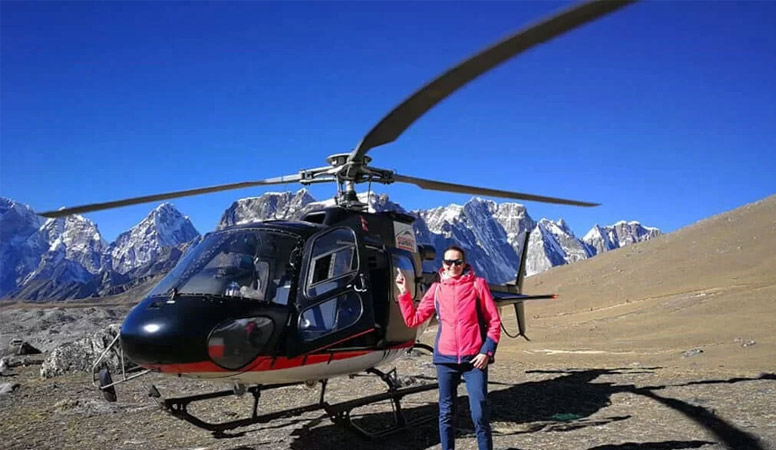
Everest Base Camp Helicopter Tour with Landing:
Experience Everest up close! Book your landing tour now and step onto the world’s highest peaks in comfort and style. Book Now
Best Time of Day for Everest Helicopter Tours
Choosing the right time of day is essential to maximize both safety and the breathtaking views on an Everest helicopter tour. The timing determines how clear the skies will be, how calm the winds are, and whether pilots can safely land at high-altitude points like Everest Base Camp or Kala Patthar. Here’s a breakdown of the typical flight windows and what you can expect.
Early Morning Flights (6:00 AM – 9:00 AM)
Early morning is the most recommended time to fly to Everest. During this window:
-
Visibility is at its best, offering unobstructed panoramic views of Everest and surrounding peaks.
-
Winds are generally calm, which ensures a smoother and safer flight experience.
-
The success rate for landing at high-altitude locations like Kala Patthar and Everest Base Camp is highest.
Pilots and operators strongly prefer this time because it offers the most reliable weather conditions and the clearest skies, making it ideal for photography and sightseeing.
Mid-Morning Flights (9:00 AM – 11:00 AM)
Mid-morning flights are still possible but come with slightly higher risks:
-
Clouds begin to form as the day warms up, which can reduce visibility.
-
Despite this, flights are generally acceptable during peak seasons, especially for overfly tours where landing is not required.
-
This window is more flexible for tourists who cannot depart very early, but passengers may notice slightly hazier mountain views.
Afternoon Flights (After 11:00 AM)
Afternoon flights are rare and usually avoided for Everest tours because:
-
Cloud buildup increases significantly, which can obscure mountain views.
-
Wind speeds rise as the day progresses, making flying less stable and more challenging.
-
Cancellation risk is higher, as pilots prioritize safety and visibility.
Due to these factors, professional operators strongly recommend scheduling your Everest helicopter tour in the early morning to guarantee the best experience.
Best Season vs Best Time of Day – How They Work Together
The best time of day for an Everest helicopter tour works hand in hand with the season you choose to fly. While early morning hours are almost always preferred, different seasons bring unique weather patterns that influence visibility, wind conditions, and landing possibilities. Understanding how time and season interact can help ensure a safe and memorable flight.
Spring Season (March to May)
Spring is widely considered one of the best times for helicopter tours in the Everest region. The mornings are generally stable, with clear skies offering spectacular panoramic views of Everest and the surrounding peaks. This period marks the peak season for helicopter landings at Everest Base Camp and Kala Patthar, as pilots have the highest chance of safe landings. Combining early morning departures with spring weather conditions provides travelers with an excellent opportunity to enjoy crisp, unobstructed mountain vistas.
Autumn Season (September to November)
Autumn is another ideal season for Everest flights. The air during this time is crisp, and visibility is often exceptionally sharp, allowing passengers to see distant Himalayan peaks in remarkable detail. While mornings can be slightly colder than in spring, the weather remains very favorable for flights and high-altitude landings. Early departures in autumn take advantage of stable skies and calm winds, making this season a favorite among photographers and adventure travelers alike.
Winter Season (December to February)
Winter offers some of the clearest morning skies in the Everest region, which can make flights particularly spectacular. However, travelers must be prepared for extreme cold during early departures, and snow at high-altitude landing sites can occasionally pose challenges. Despite these obstacles, overfly tours are generally feasible, and the crisp winter air often produces breathtaking clarity, giving passengers a unique perspective on the Himalayas.
Monsoon Season (June to August)
The monsoon season is the least favorable time for Everest helicopter tours. Frequent rainfall, low cloud cover, and reduced visibility limit flight operations, and cancellations are common. Only a narrow window in the early morning may allow flights, and pilots must carefully assess conditions before departure. Travelers during this period should be prepared for potential schedule changes, delays, or last-minute cancellations due to weather constraints.
Typical Daily Schedule of an Everest Helicopter Tour
Experiencing Everest by helicopter is more than just the flight itself. The tour is carefully planned to maximize safety, comfort, and the chance to enjoy breathtaking mountain views. Most tours follow a structured schedule that takes advantage of the calmest morning conditions in the Himalayas.
Early Morning Pickup from Kathmandu
Most helicopter tours begin with a hotel pickup in Kathmandu between 4:30 and 5:30 in the morning. Traveling in the pre-dawn hours ensures passengers reach the heliport on time for pre-flight checks and safety briefings.
Starting early is crucial because it allows the flight to depart during the calmest and clearest hours of the day. Morning departures take advantage of stable weather, minimal winds, and optimal visibility for seeing Everest and surrounding peaks.
Flight Timeline (Kathmandu – Lukla – Everest Region)
Once the helicopter is airborne, the journey typically heads toward the Everest region, sometimes with a short refueling stop along the way. The flight path offers uninterrupted views of glaciers, deep valleys, and towering Himalayan peaks.
Depending on the type of tour, the helicopter may either overfly Everest Base Camp or land nearby for a closer experience. Pilots follow a precise sequence to ensure passenger safety while giving everyone the best photo opportunities possible.
Return to Kathmandu Before Noon
Tours are designed to return to Kathmandu before noon. Afternoon flights are avoided because clouds and stronger winds often develop later in the day, which can reduce visibility and increase the risk of delays.
Returning early ensures a smooth, safe, and enjoyable experience. Passengers also have the rest of the day free to relax or explore Kathmandu after an unforgettable Himalayan adventure.
Overfly vs Landing Tours – Does Timing Differ?
The timing of Everest helicopter tours can vary depending on the type of tour you choose. While both overfly and landing tours aim for early departures, there are subtle differences in how flexible the schedule can be. Understanding these differences helps travelers plan their trip and manage expectations.
Best Time for Everest Base Camp Overfly Tours
Overfly tours generally have some flexibility compared to landing tours. Since the helicopter does not need to touch down, pilots can adjust slightly to accommodate passenger schedules or minor weather changes.
Despite this flexibility, early morning departures are still preferred. Calm winds and clear skies ensure the best visibility, allowing passengers to enjoy uninterrupted views of Everest, surrounding peaks, and glaciers. Mid-morning flights may also be possible, but the risk of cloud formation and reduced visibility increases as the day progresses.
Best Time for Kala Patthar or EBC Landing Tours
Landing tours at Kala Patthar or Everest Base Camp require a strict early-morning schedule. High-altitude landings are sensitive to wind, weather, and helicopter weight, so flights must take advantage of the most stable conditions in the Himalayas.
Pilots typically schedule departures between 6:00 and 9:00 in the morning. This ensures minimal wind, maximum visibility, and a higher likelihood of a successful landing. Afternoon flights are almost always avoided for landing tours due to the increased risk of clouds, turbulence, and poor visibility.
What Happens If Weather Changes Suddenly?
Weather in the Everest region can change very quickly, even during a single morning. Pilots and operators closely monitor conditions to ensure that flights are safe. If weather conditions deteriorate, it can lead to delays or rescheduling of your helicopter tour.
Flight Delays and Rescheduling
Sometimes flights must wait for a suitable weather window. Even a short period of low clouds or strong winds can make flying unsafe, so operators may pause departures until conditions improve.
In some cases, flights can still depart later the same day if the weather clears quickly. In other situations, the tour may need to be rescheduled for the next day. Flexibility in your itinerary can help ensure that you still get the chance to experience the helicopter tour without compromising safety.
Cancellation Policies & Safety Decisions
Pilots have the final authority on whether a flight can take off. Their decisions are based on visibility, wind speeds, and overall safety conditions.
Safety is always the top priority. Even if passengers are eager to fly, tours may be canceled to prevent risk. While cancellations can be disappointing, they ensure that every flight that does take place is secure and provides the best possible experience.
Tips to Secure the Best Flight Time
Planning ahead can make a big difference in having a smooth and memorable Everest helicopter tour. There are several strategies that can help you secure the best flight time and avoid common issues like delays or cancellations.
Book Flexible Dates
It is always a good idea to plan your trip with some flexibility. Weather in the Everest region can be unpredictable, and even early-morning flights may occasionally need to be rescheduled.
Having buffer days in your itinerary gives you a higher chance of flying during the optimal window. This flexibility allows operators to choose the safest and clearest day for your helicopter tour.
Choose an Experienced Helicopter Operator
The choice of operator can significantly affect your experience. Local companies with experienced pilots are better equipped to handle high-altitude flying and rapidly changing weather conditions.
Experienced operators know the region well and can make real-time decisions to ensure your safety while still maximizing sightseeing opportunities. Their expertise increases the likelihood of a successful flight and landing.
Stay Prepared for Early Mornings
Early-morning departures can be challenging for some travelers, so preparation is key. Dress in warm layers, as temperatures can be very cold before sunrise at high altitudes.
Bring essential items like a camera for capturing stunning views and be aware of potential altitude effects, especially if you plan to land near Everest Base Camp or Kala Patthar. Being well-prepared ensures comfort, safety, and the best possible experience during your tour.
Everest Base Camp Overfly Helicopter Tour:
See Everest like never before! Enjoy breathtaking aerial views on an overfly tour and capture the Himalayas from above. Book Your Flight
Frequently Asked Questions (FAQs)
What is the best time of day to see Mount Everest clearly?
The best time of day to see Mount Everest clearly is early morning, usually between 6:00 and 9:00. During these hours, the skies are typically calm and clear, with minimal wind and little cloud cover. Flying at this time gives passengers the highest chance of unobstructed views of Everest and surrounding peaks.
Are sunrise helicopter tours possible to Everest?
Sunrise tours are technically possible, but they are uncommon. Helicopter flights usually start just after sunrise, once visibility improves enough for safe navigation. Departing too early, before there is enough light, can make flying riskier, so most operators schedule departures in the early morning hours rather than exactly at sunrise.
Can flights operate if it’s cloudy in Kathmandu?
Cloudy weather in Kathmandu does not always prevent flights, but it increases the risk of delays or cancellations. Pilots must assess the conditions not only in Kathmandu but also along the entire flight path and near the Everest region. Safety and visibility determine whether the tour can proceed.
Is morning flying safer in the Himalayas?
Yes, morning flying is generally safer in the Himalayas. In the early hours, winds are lighter, and clouds have not yet formed over the mountains. By late morning and afternoon, winds increase and clouds can build quickly, which makes flying riskier. Morning flights maximize safety and the chance to see the mountains clearly.
Conclusion
The best time of day for an Everest helicopter tour is early morning, typically between 6:00 and 9:00. During this window, the skies are clearest, winds are calm, and visibility is at its peak, giving travelers the best chance to enjoy breathtaking views of Everest and surrounding peaks.
While timing is crucial, weather conditions, the season, and the experience of your helicopter operator are equally important. Choosing the right season, booking with a knowledgeable operator, and preparing for early departures all help ensure a safe and memorable journey.
Planning smart is the key to maximizing your Everest helicopter experience. By considering timing, weather, and operator expertise, you can minimize the risk of delays or cancellations and make the most of this once-in-a-lifetime adventure.
When you are ready to take flight, select a reputable operator and book your tour with flexibility in mind. Doing so guarantees that you will enjoy the spectacular Himalayan scenery in safety and comfort, creating memories that will last a lifetime.
On 10 Feb 2026
Recent From Blogs

17 Jun 2023

17 Feb 2024


19 Aug 2025


21 Aug 2025


